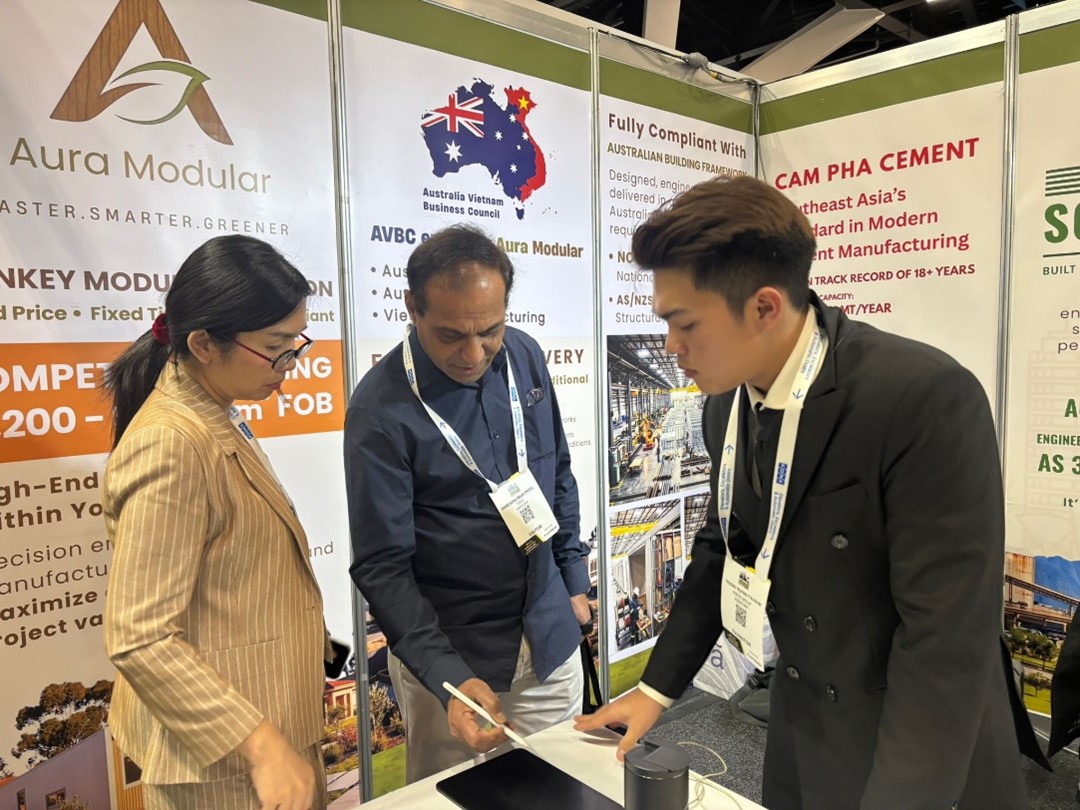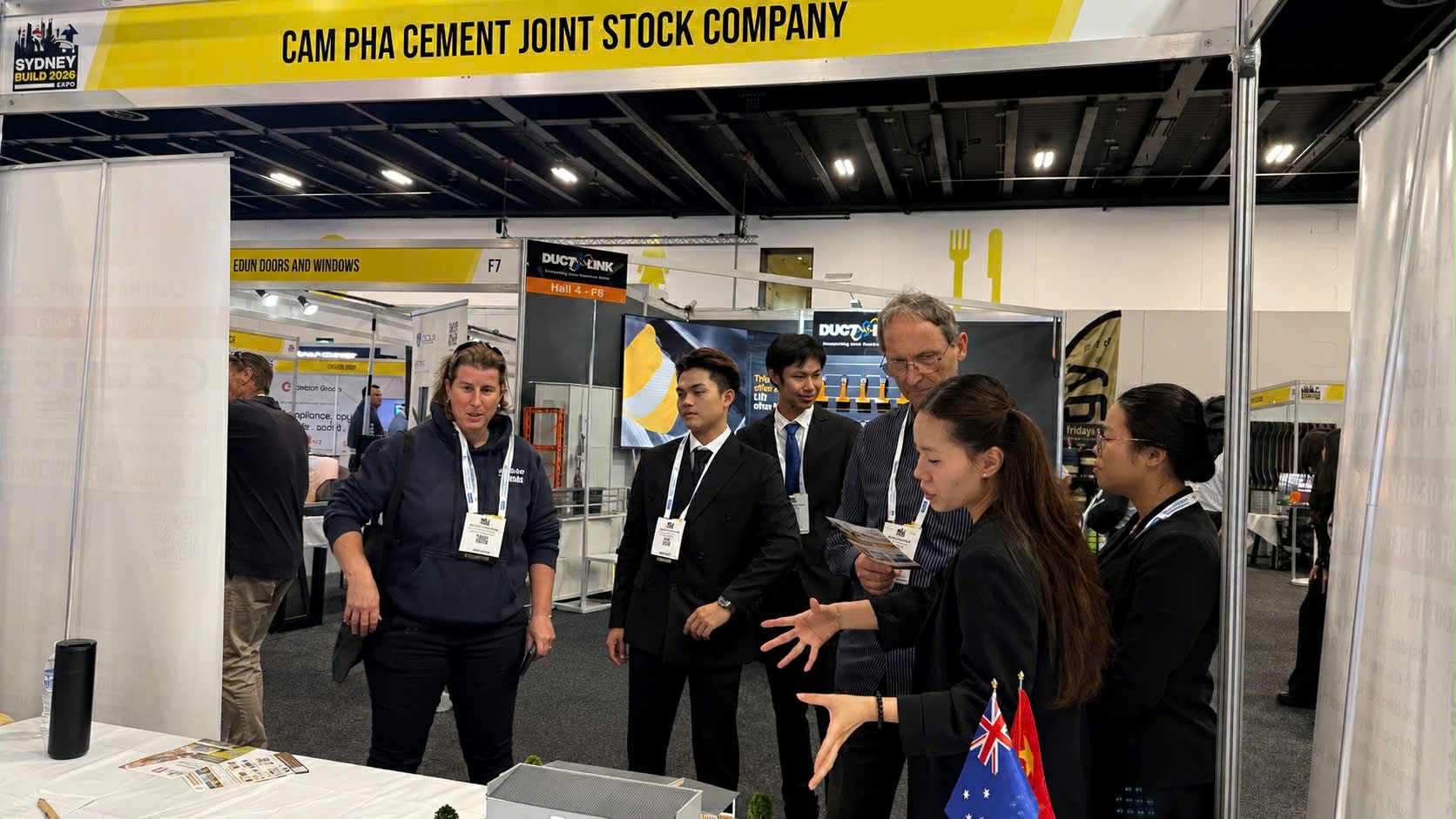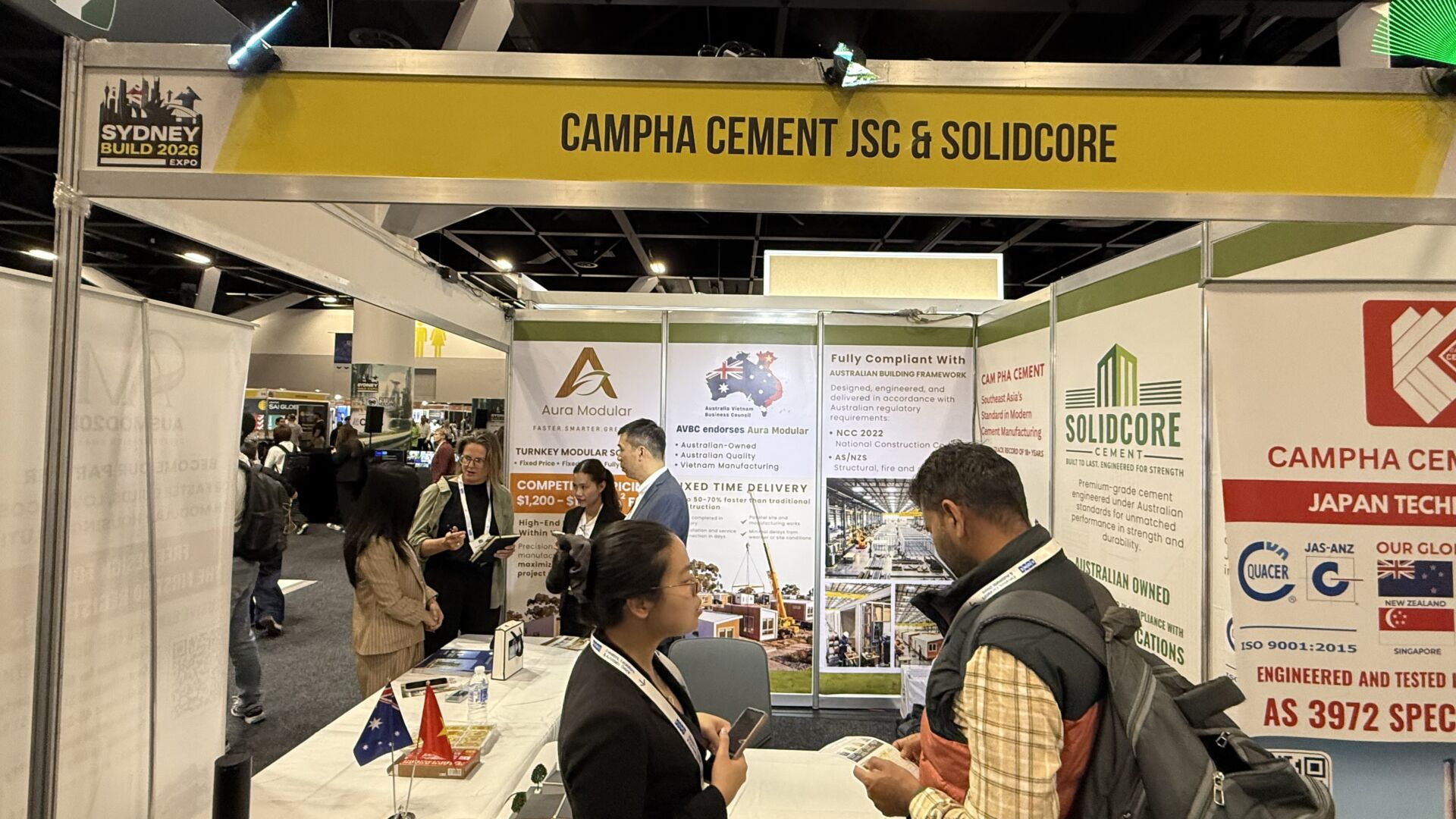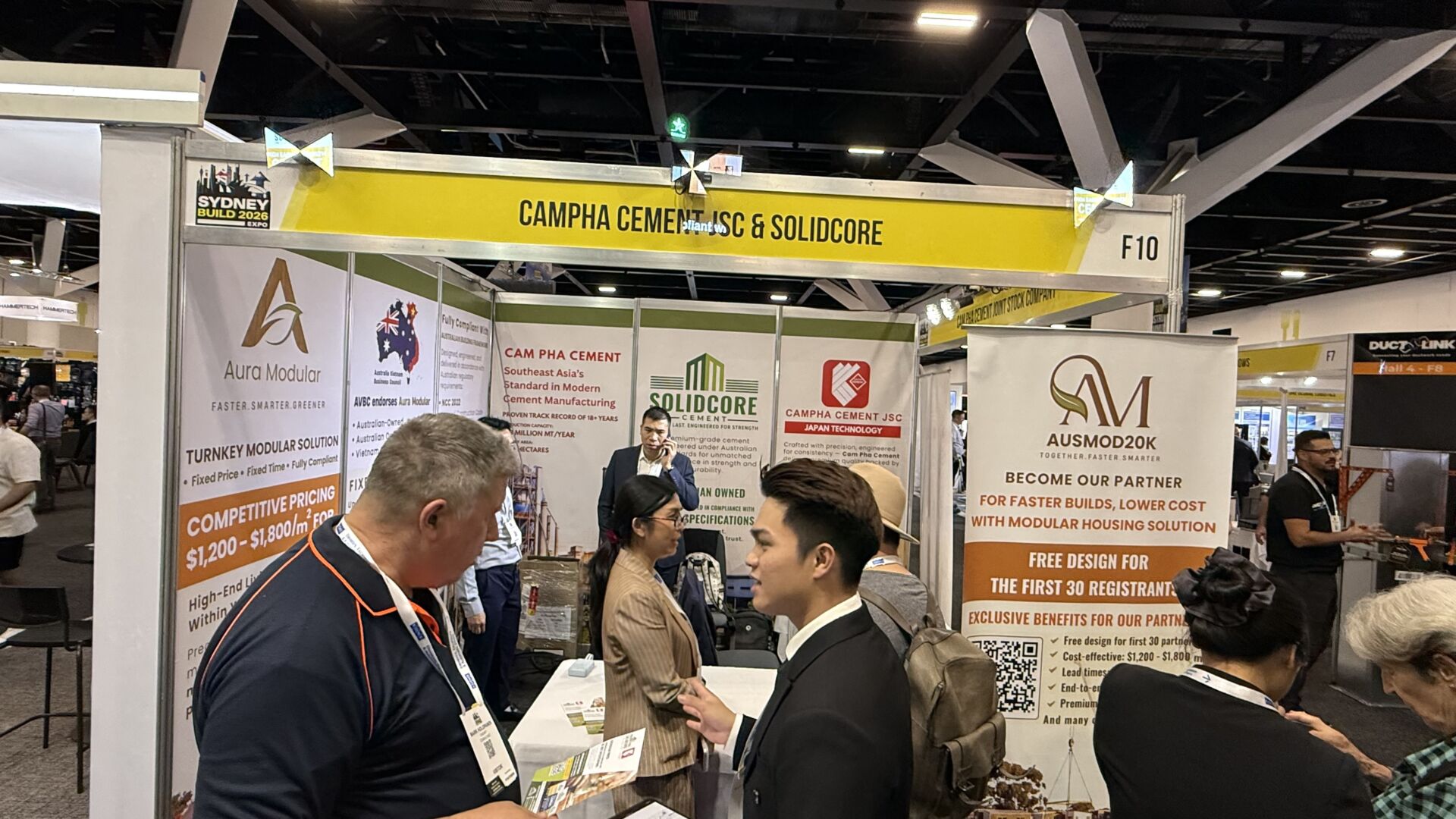


Sydney, Australia – April 29–30, 2026 – Pistis Group Pty Ltd successfully concluded its participation at Sydney Build Expo 2026 (April 29–30, 2026, International Convention Centre Sydney – ICC Sydney), one of Australia’s premier construction and infrastructure exhibitions, bringing together leading companies across building materials, engineering, and architectural sectors.
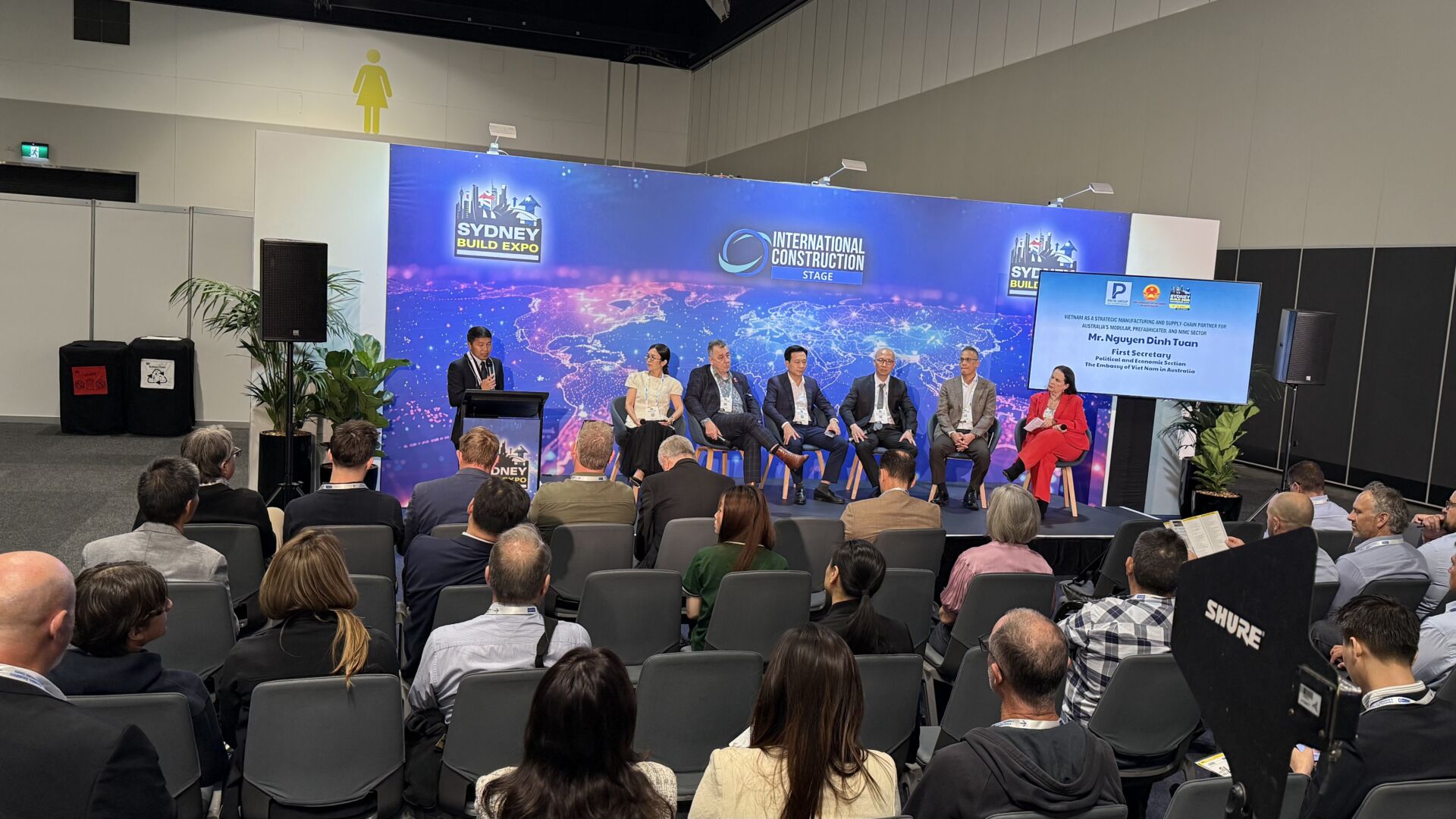
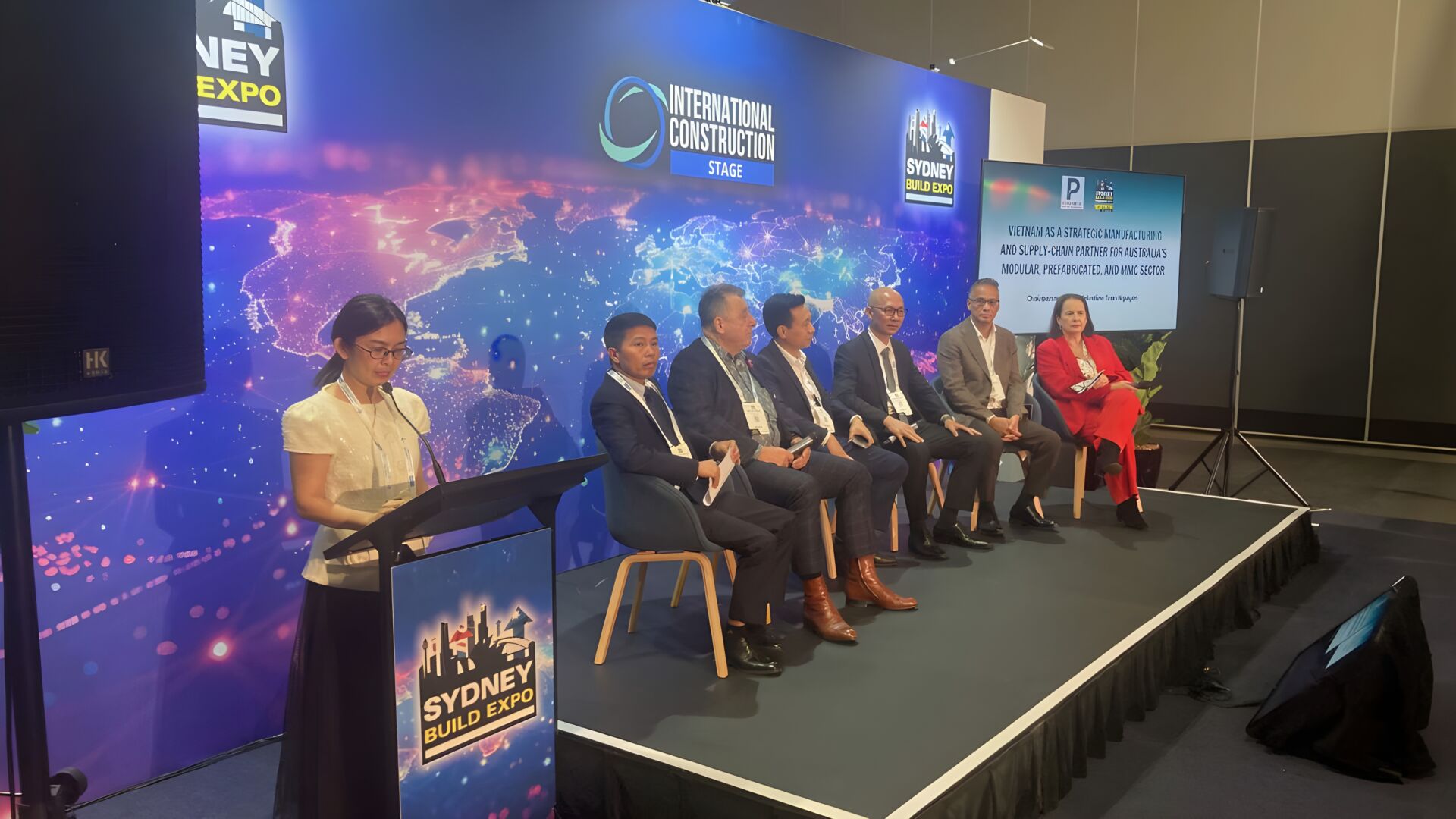
Pistis Group successfully delivered a panel presentation on the strategic topic of “Vietnam as a manufacturing and supply-chain partner for Australia’s modular, prefabricated, and MMC construction sector.” The session attracted strong interest from industry stakeholders, reflecting the growing relevance of cross-border collaboration in addressing Australia’s construction challenges.
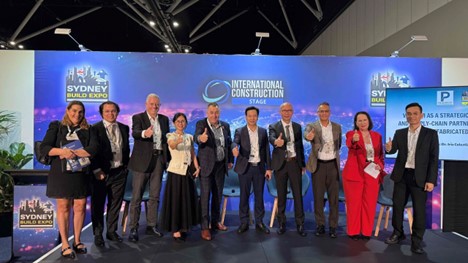
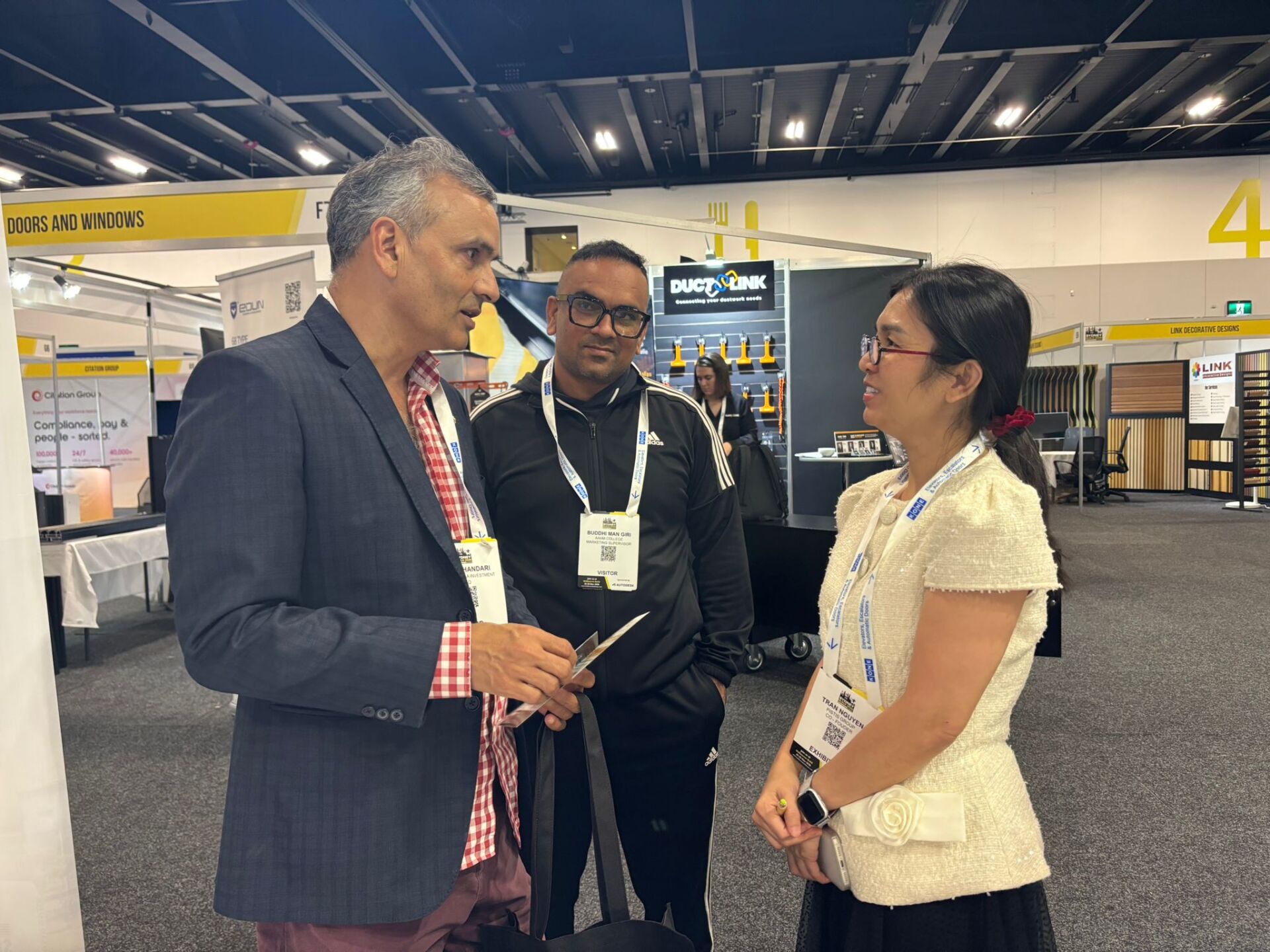
Image 1. Pistis Group and Panel Speakers at Sydney Build Expo 2026 – International Construction Stage
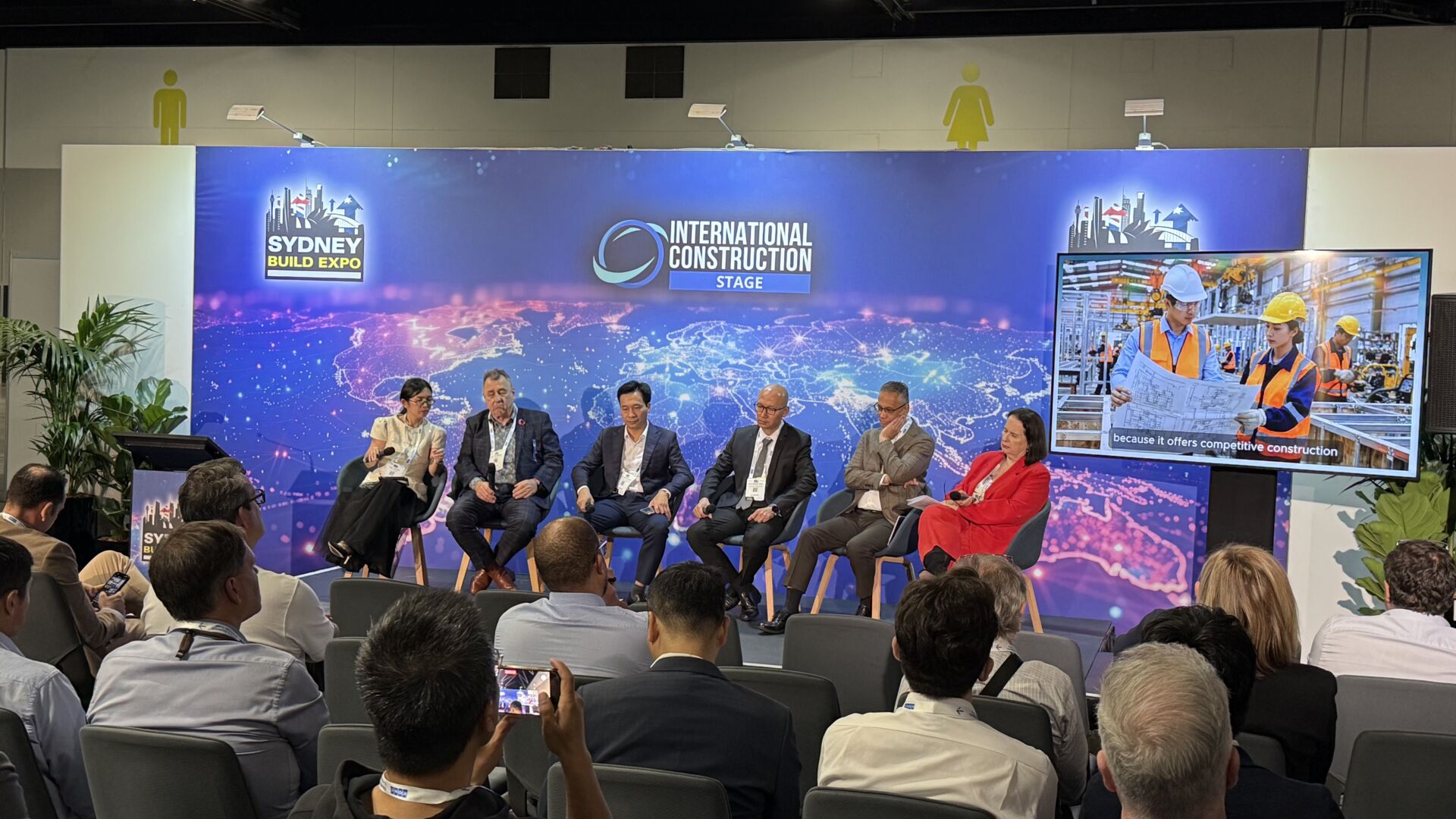
The panel was chaired by Dr. Iris Celestine Tran Nguyen, who opened the session by setting the context for the discussion. The presentation addressed key structural issues facing Australia’s construction industry, including housing shortages, rising labour costs, productivity constraints, and increasing sustainability and compliance requirements.
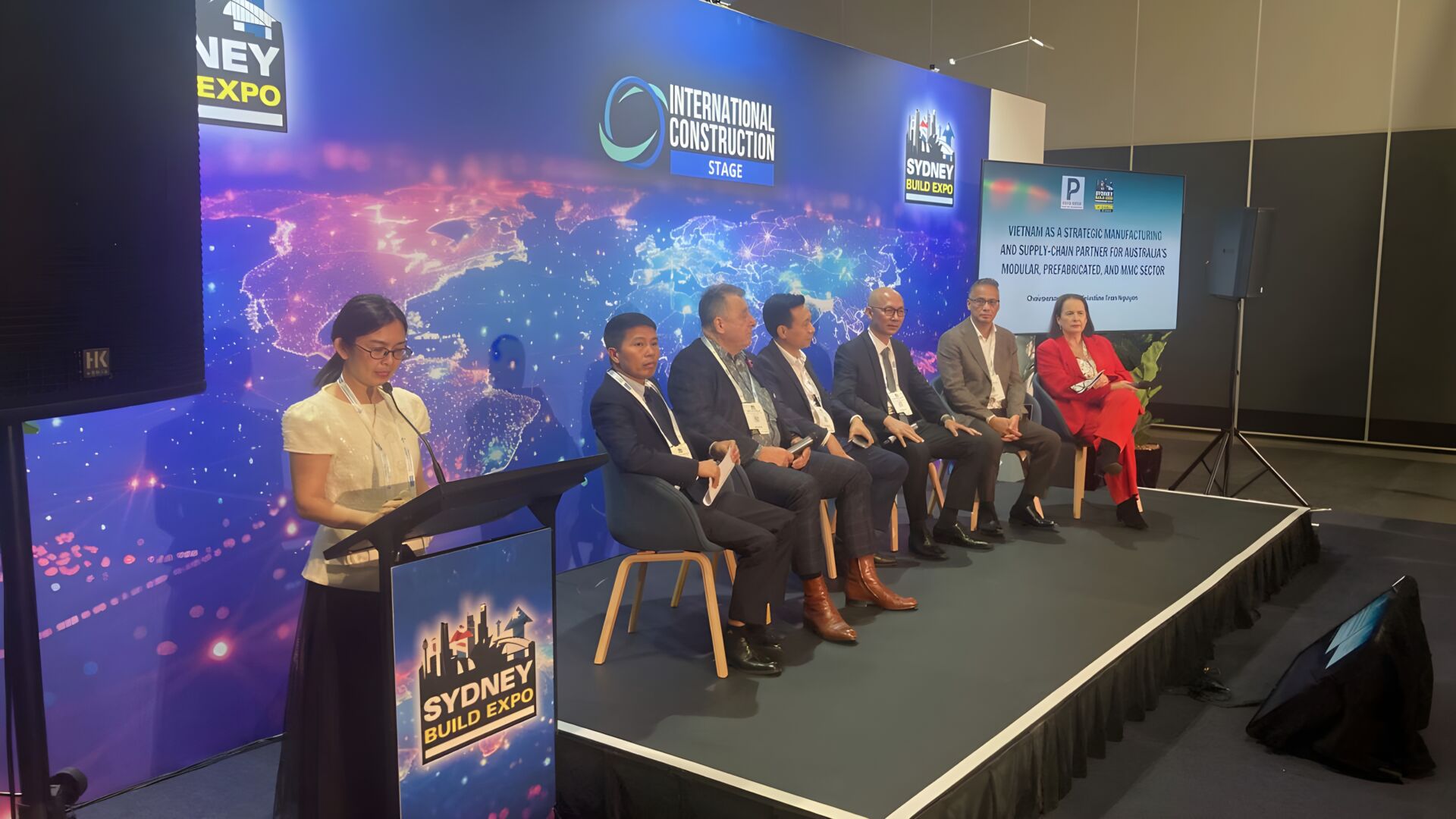
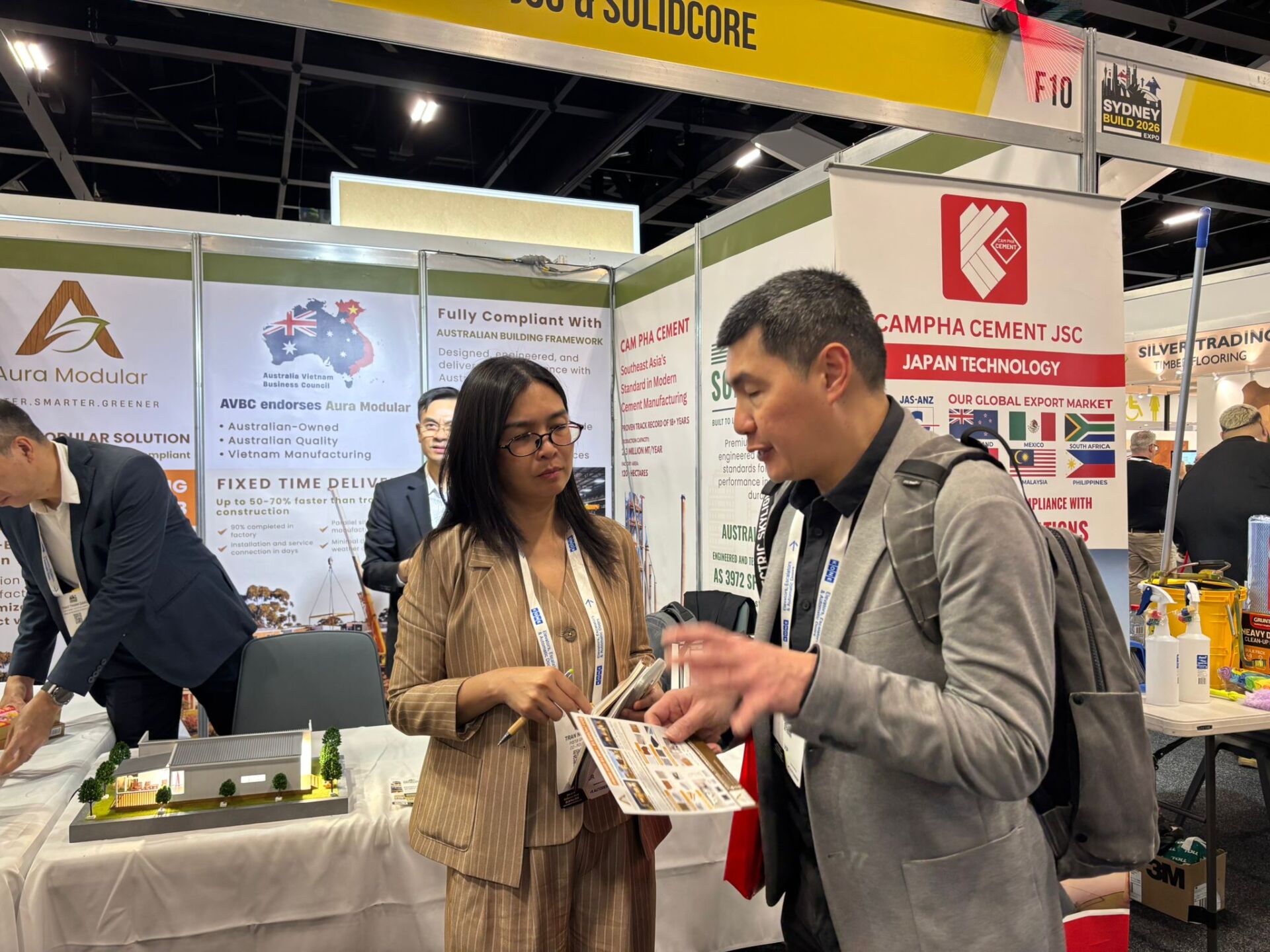
Image 2. Panel discussion moderated by Dr. Iris Celestine Tran Nguyen at Sydney Build Expo 2026
Within this context, Modern Methods of Construction (MMC) were positioned as a critical pathway forward. The discussion further highlighted that achieving scale in MMC delivery requires strong international partnerships—particularly with Vietnam, which is emerging as a capable and competitive manufacturing and supply-chain partner.
The panel brought together distinguished speakers representing the full construction ecosystem—from policy to project delivery:
- Mr. Nguyen Dinh Tuan – First Secretary, Political and Economic Section, The Embassy of Vietnam in Australia (Government perspective)
- Mr. Arnold Jorge – Chief Executive Officer, Export Council of Australia (Trade perspective)
- Ms. Justine Cooper – Director, Economy Development and Advisory, The Fraser Coast Region Council, Queensland (Local government perspective)
- Mr. Quang Hoang Thoa – Vice President, Cam Pha Cement Joint Stock Company (Building materials supply chain)
- Mr. Chu Hoang Tung – President – CEO, Ngai Cau Building and Commercial Investment JSC (Steel and structural systems supply chain)
- Mr. Tim Wright – Director, SunLife Plaza Hervey Bay Pty Ltd (Project development perspective)
This diverse panel ensured a comprehensive discussion, connecting policy, trade, supply chain, and real-world project execution.
Several key takeaways emerged from the discussion:
- Australia’s construction sector is facing structural challenges, requiring systemic and scalable solutions rather than incremental improvements.
- MMC is no longer optional but essential, offering pathways to improve productivity, reduce costs, and meet sustainability targets.
- Vietnam is positioned as a strategic partner, with strong manufacturing capabilities, competitive cost structures, and the ability to meet international and Australian standards.
- Trusted trade frameworks are critical, with organisations such as the Export Council of Australia playing a key role in building structured, reliable cross-border partnerships.
- Local governments act as enablers, facilitating project delivery while ensuring long-term community outcomes and regulatory compliance.
- Vietnam’s supply chain—particularly in cement and steel—demonstrates strong capability, supporting both traditional and modular construction systems.
- Real-world projects such as SunLife Plaza highlight practical feasibility, demonstrating how strategy can be translated into delivery.
The session attracted strong audience interest, with attendees actively engaged throughout the discussion. The Q&A segment featured thoughtful questions focusing on key concerns such as:
- Ensuring quality and compliance within international supply chains
- The role of local authorities in supporting projects involving offshore partners
- The scalability and long-term viability of the Vietnam–Australia collaboration model
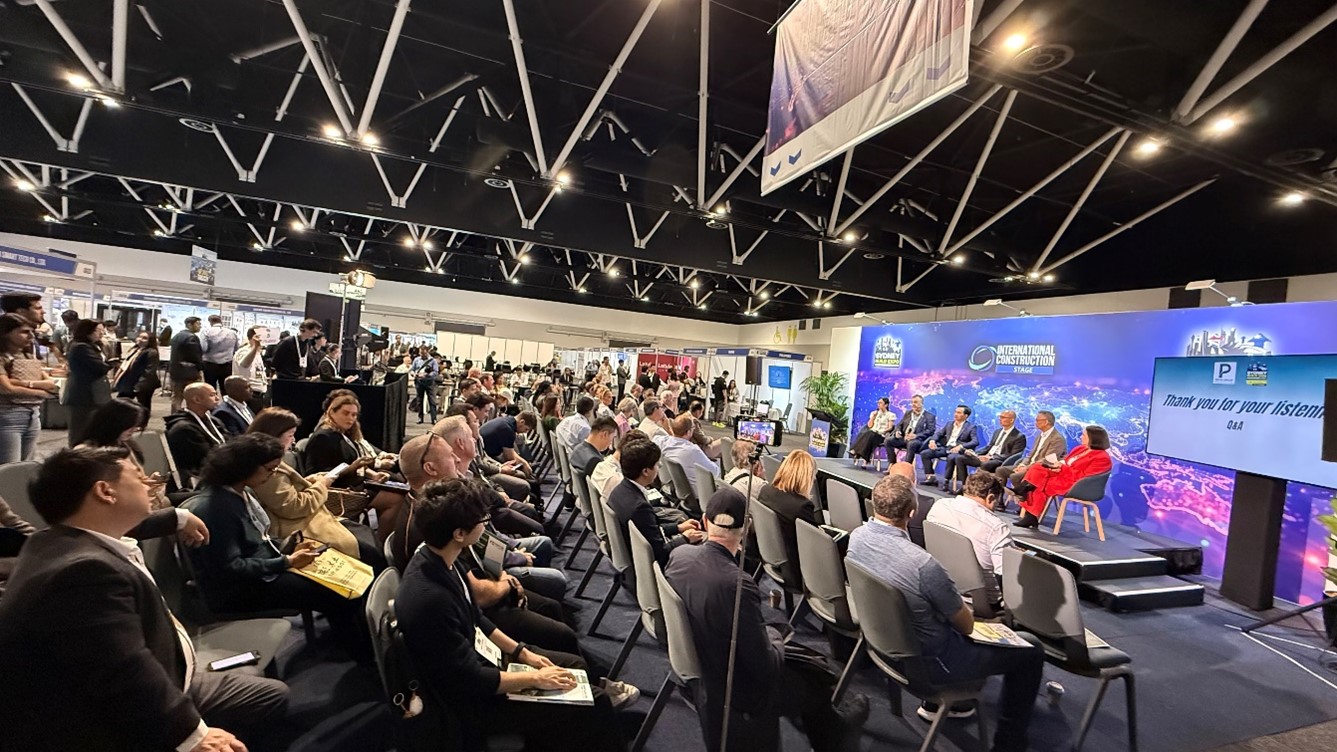
Image 3. Full Audience Participation During the Vietnam–Australia Construction Panel Discussion
The panel closed with a strong and forward-looking message: the future of construction will not be defined by speed alone, but by how effectively global ecosystems are integrated.
What emerged from the discussion is a clear shift in mindset—moving away from isolated delivery models toward a connected framework that links Australia’s growing demand with Vietnam’s manufacturing strength, underpinned by trusted trade structures and coordinated execution.
Rather than a short-term solution, this collaboration signals the foundation of a scalable, long-term model for the industry—one that has the potential to reshape how projects are delivered across borders.